
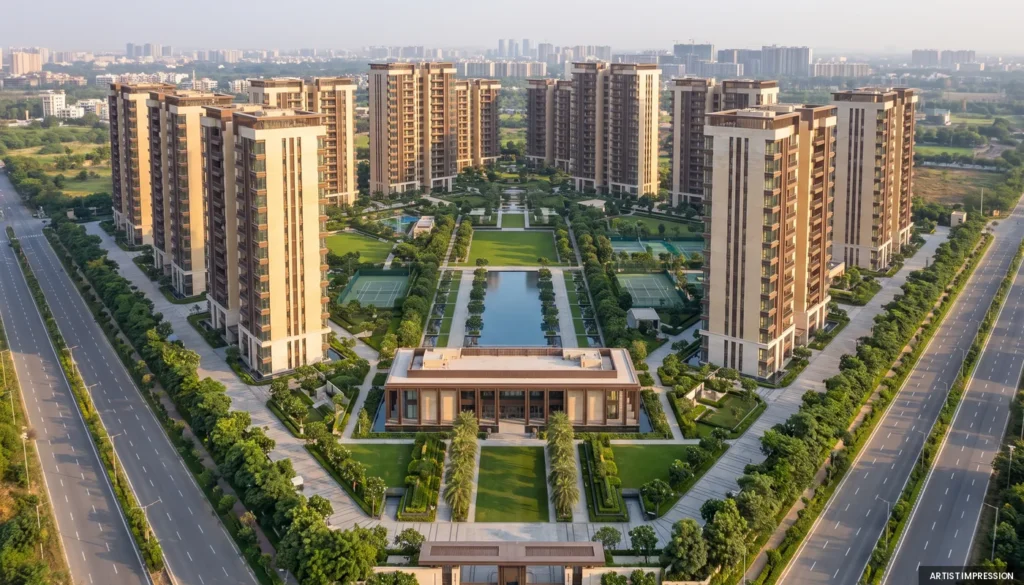
A Residential Address in New Gurugram
A home’s location affects the daily routine of everyone who lives there. Commuting, school journeys, access to healthcare and the ability to reach essential services all contribute to the practical value of a residential address. L&T Aravista is described in the supplied brief as an ultra-luxury residential project in Sector 86, Gurugram, within the wider New Gurugram corridor.
For buyers considering luxury apartments in Sector 86, the location should be assessed against actual travel requirements rather than broad claims about connectivity. The right address is one that supports your daily routine and remains practical for your household over time.
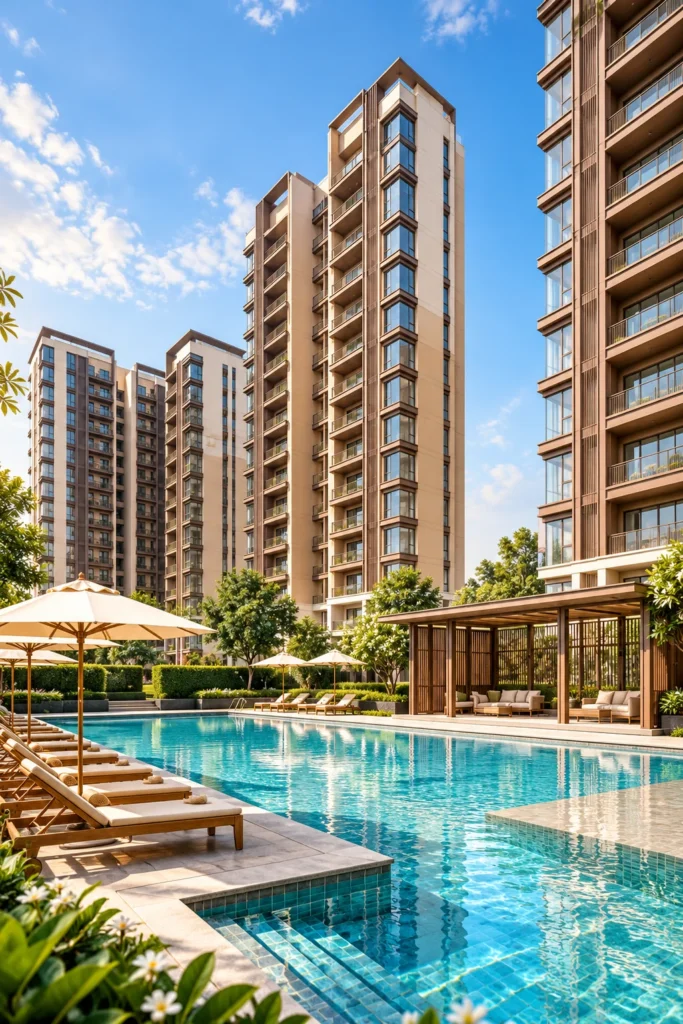
Understanding Sector 86 and New Gurugram
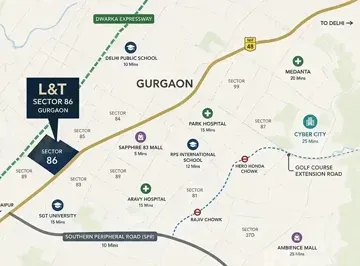
New Gurugram comprises several residential sectors connected to regional road networks and developing social infrastructure. Sector 86 provides a reference point for buyers who want to explore residential options outside Gurugram’s older, more densely developed neighbourhoods.
When assessing the area, look beyond the project brochure. Visit the surrounding roads, identify occupied residential communities and check the availability of daily services. The experience can vary between different parts of a sector, so the exact site location matters.
The final suitability of the address depends on your workplace, preferred schools, family requirements and how frequently you travel to other parts of the NCR.
Road Connectivity and Daily Commutes
The broader New Gurugram corridor connects to important road networks, including NH-48 and routes towards Dwarka Expressway and Southern Peripheral Road. The usefulness of each connection depends on the actual route from the project entrance and your destination.
If you work in Gurugram’s business districts or travel regularly towards Delhi, check the journey during your usual departure and return times. A route that appears short during quiet hours may take considerably longer during peak traffic.
For households with two working professionals, compare both commutes rather than evaluating the location from only one person’s perspective. Also consider parking, drop-off arrangements and the availability of alternative routes.
Access to Schools and Healthcare
Families planning a long-term move should identify schools, childcare services, hospitals, clinics and pharmacies that meet their requirements. Distance alone is not enough to determine convenience; the quality of the route, operating hours and services offered can be equally important.
Prepare a list of facilities you expect to use and verify their current locations. If a school is an important factor, check transport arrangements and travel time during school hours. For healthcare, distinguish between routine medical services and facilities appropriate for urgent or specialised care.
These checks help you understand how well the neighbourhood supports your family’s daily needs.
Shopping and Everyday Convenience
Grocery stores, supermarkets, banks, restaurants and other local services can reduce the need for longer trips. When evaluating L&T Aravista’s location, check which services are operational in the surrounding area and how easily they can be reached.
Do not assume that every proposed retail or infrastructure project is already open. Verify whether a facility is operational, under construction or only planned. This distinction is particularly important when comparing a developing residential corridor with a fully established neighbourhood.
Airport and Wider NCR Travel
For frequent travellers, access to the airport and other NCR destinations may be an important consideration. Check the route from the actual project entrance using current navigation data, and compare journey estimates at different times of day.
Avoid treating indicative travel times in marketing material as guaranteed. Traffic, weather, roadworks and route selection can all affect the duration of a journey.
What to Check During a Site Visit
- Confirm the exact project address and approach roads.
- Test the route to your workplace during peak hours.
- Check schools, healthcare facilities and daily shopping options.
- Assess traffic movement, noise and nearby construction activity.
- Review public transport and last-mile connectivity.
- Verify the current status of surrounding infrastructure.
- Compare the location with your household's long-term plans.